Yshai Afterman · Online Course
The Complete Riqq Course
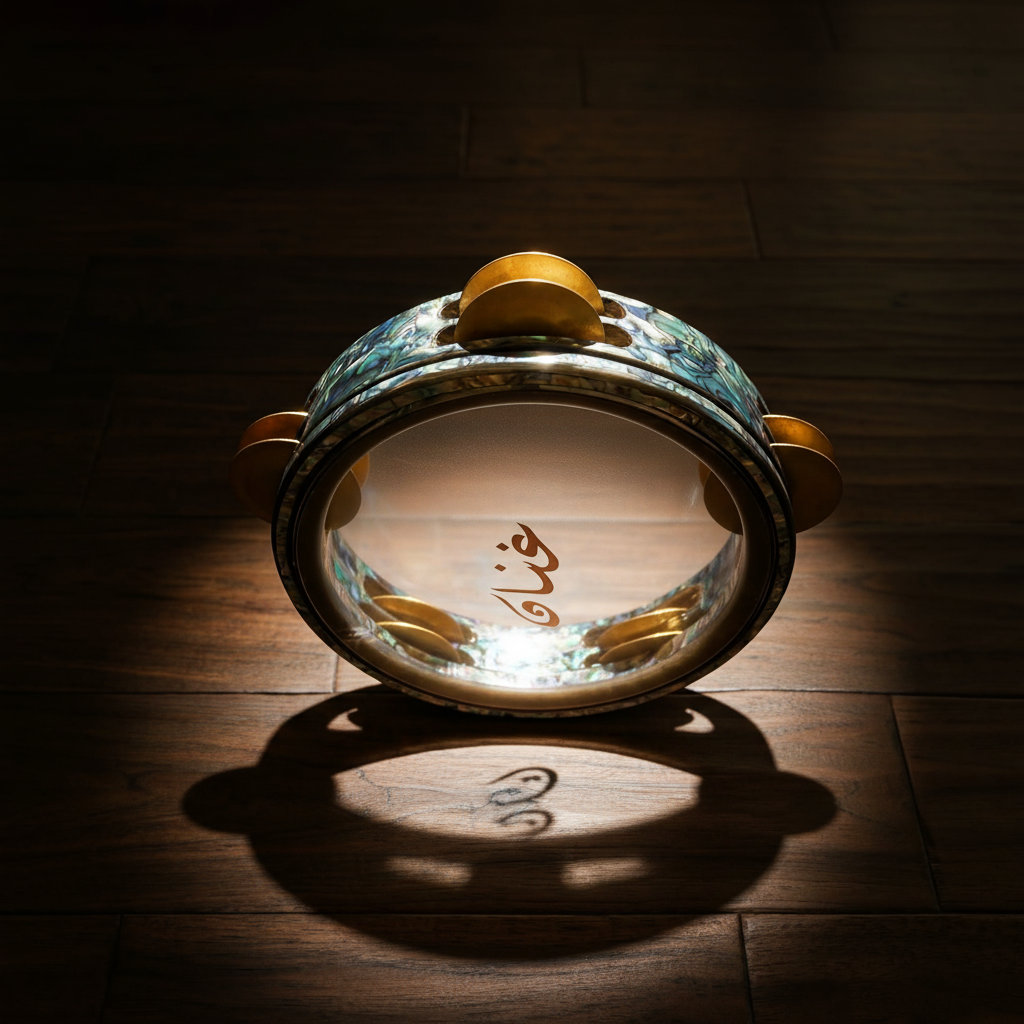
"His laughter — dispersion of light through metal and skin."
Yshai Afterman · Online Course
"His laughter — dispersion of light through metal and skin."
The riqq is one of the most technically demanding instruments in Arabic music — and one of the least taught with any real depth. What you are looking at is the most comprehensive riqq curriculum ever built: ten levels, twenty stages, and a systematic method that develops every dimension of the instrument in parallel — stroke technique, positional vocabulary, shaking, rolling, splitting, foot bell independence, and compositional thinking — from first grip to full mastery.
Nothing is invented on the fly. Nothing is isolated. Every technique enters the traditional repertoire from the moment it is learned. The building block system means you always know what you're playing and why — and you compose from the very first stage.
Each level is purchased separately. Both stages unlock on purchase. Stage 2 opens after you complete Stage 1 — a simple honour system, no pressure. You move at your own pace. Everything is yours forever.
The 10-Level Journey
The riqq is held two different ways — and each grip is a different instrument. You learn the strokes, the numbers system, and the building block logic that connects both positions to the traditional repertoire. The jingle and the skin work together from day one. By the end, you're playing compositions.
Begin Level I →The ghost note becomes a creative tool — a subtle ornament that shapes the character of every phrase. Position switching unlocks a new structural logic. The 4 finger roll arrives: the technique that defines the riqq's distinctive voice.
The shaking technique opens a sustained jingle texture that no other percussion instrument can produce. Position switching enters the full traditional repertoire. The 8 finger roll deepens the instrument's tonal range and expressive possibilities.
Shaking covers the entire traditional rhythm at full 8th note density. The 8 finger roll gains orchestration — a complete phrase ending. Position switching is now triggered by roll type, shaking density, and phrase structure: a compositional tool.
The 12 finger roll arrives as the next milestone. The 4, 8, and 12 finger rolls become building blocks 1–2–3 — used as 32nd note fillings woven directly into the traditional rhythms. Bouncing enters as an entirely new textural dimension.
A major technique milestone: the split hand opens an entirely new sonic register. The middle position — a third playing location — arrives. Shaking enters triplet subdivision for the first time. The instrument's vocabulary takes a decisive leap forward.
The 6 and 7 finger rolls complete the roll vocabulary. All three — 6, 7, and 8 — combine in extended 14-beat phrase exercises. Shaking covers every technique in triplet density across the full repertoire. The first hands independence exercise arrives.
The techniques of the first seven levels converge into a single, unified voice. Advanced material currently in development.
The full triplet vocabulary meets the complete rhythm repertoire. Hands independence reaches 7/8. The double stroke roll is introduced and woven into the repertoire. Stage 2 unveils middle position triplets — a new expressive colour that opens Level X.
The final level. Middle position triplets and the double stroke roll reach full mastery across the complete repertoire. Fast skin triplets are introduced and developed. The course closes with a capstone solo — composed by you, reviewed personally by Yshai.
Leave your details and you'll be the first to hear when Level I is ready.
Get notified